
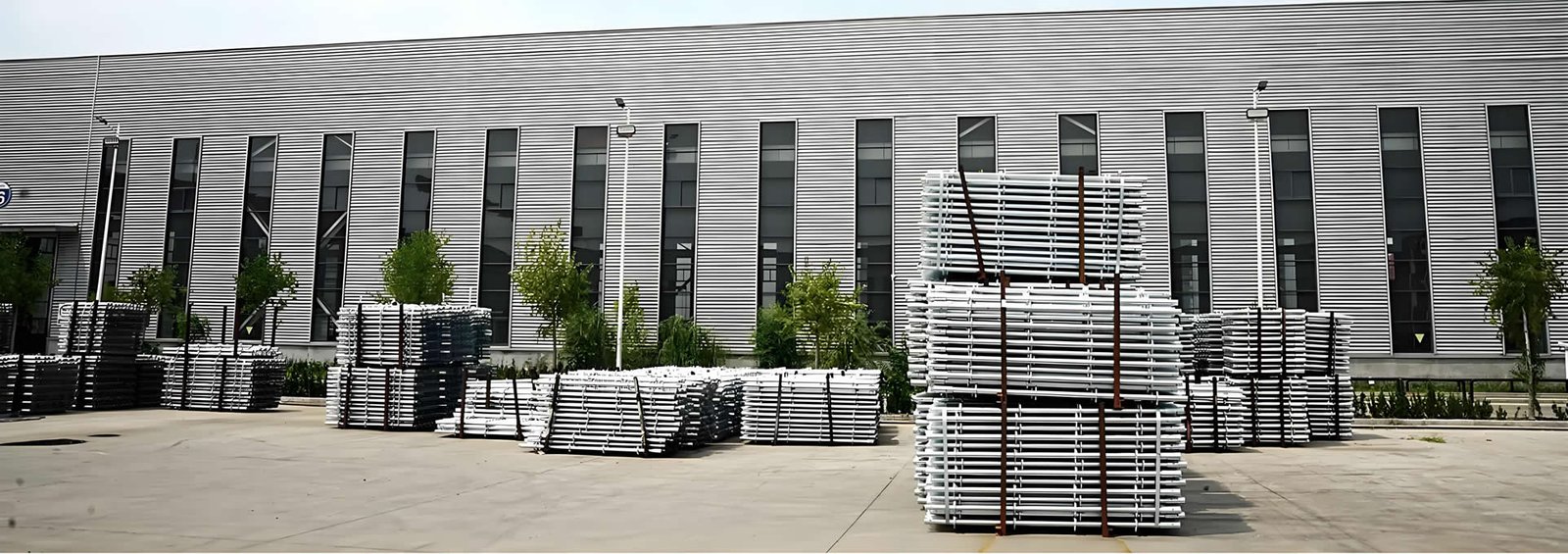
Water tower construction presents unique challenges that demand specialized access solutions. The 5.5 ft × 4 ft scaffolding frame has emerged as a preferred choice for these projects, offering an optimal balance of stability, maneuverability, and load-bearing capacity. However, working at extreme heights on cylindrical structures requires meticulous planning and execution. This comprehensive guide covers everything you need to know about using 5.5 ft × 4 ft scaffolding frames for water tower construction projects.
Understanding the 5.5 ft × 4 ft Scaffolding Frame
Frame scaffolding, also known as tubular welded scaffolding, consists of prefabricated vertical frames connected by horizontal and diagonal braces to create a stable temporary structure–. The 5.5 ft × 4 ft dimension refers to the frame’s width and depth, providing a working platform that balances accessibility with structural integrity. This modular design allows for quick assembly and disassembly while offering the stability essential for water tower construction-1.
Site Preparation and Foundation Requirements
Before erecting any scaffolding frame, thorough site inspection is critical. The ground surface must be firm, level, and completely free of debris-2. Water tower construction sites often have uneven terrain or compacted soil that requires additional preparation.
Base plate installation is non-negotiable. OSHA mandates that scaffolds shall bear on base plates-1. For 5.5 ft × 4 ft frames, adjustable base jacks or screw jacks should be used to compensate for minor ground irregularities-2. Never place base plates directly on soft soil without adequate support such as mud sills or plywood spreaders-2. The foundation must support the combined weight of the scaffold structure, workers, tools, and materials throughout the construction duration.
Proper Assembly Techniques
First Level Frame Installation
Position two vertical 5.5 ft × 4 ft frames upright on the base plates at the correct spacing-2. Connect these frames with horizontal ledgers at both bottom and top sections using scaffold pins or clips. Ensure all pins are fully engaged and locked-2. Use a spirit level to confirm frames are plumb (vertically straight) and square-2.
Cross Bracing for Stability
Cross braces are essential for lateral stability and must be installed early in every section-2. Attach diagonal cross braces between vertical frames on each side and tighten all connections to prevent wobbling-2. The 5.5 ft width provides excellent stability when properly braced, reducing the risk of structural movement during water tower construction activities.
Multi-Level Stacking
For taller water towers, stack additional 5.5 ft × 4 ft frames vertically, securing each new frame with locking pins inserted into designated holes-2. Each additional frame must be aligned precisely over the one below to maintain stability-2. Repeat cross brace installation on every level.
Fall Protection: OSHA Compliance
Water tower construction inherently involves working at significant heights. OSHA requires fall protection for any employee on a scaffold more than 10 feet (3.1 m) above a lower level-11.
For water tower scaffolds, employers have the choice of using either a personal fall arrest system or a guardrail system-11. Guardrail systems must be installed along all open sides and ends of platforms before the scaffold is released for use-11. Top rails must be positioned 38–45 inches above the platform and capable of supporting a minimum of 200 lbs–.
Important consideration: When constructing a water tower’s curved wall, installing guardrails on all open sides may interfere with construction activities. In such cases, a personal fall arrest system is required to protect workers-11.
Load Capacity and Weight Distribution
The 5.5 ft × 4 ft scaffolding frame must support various loads: workers, tools, construction materials, and the dynamic forces generated during water tower erection. Scaffolding is typically rated for light-duty (25 lbs/sq ft), medium-duty (50 lbs/sq ft), or heavy-duty (75 lbs/sq ft) loads–.
For water tower construction, medium to heavy-duty ratings are typically required due to the weight of steel components and concrete work. Calculate the total platform area and ensure the combined load does not exceed the frame’s rated capacity. Distribute materials evenly across platforms to prevent localized overloading.
Wind Load Considerations
Water towers are often located in open areas where wind exposure is significant. Wind loads present one of the greatest risks to scaffolding stability during water tower construction. The wind load on elevated water towers must be carefully calculated–.
Critical precautions for wind safety:
-
Do not erect, move, or dismantle scaffolding in excessive weather conditions including high winds, heavy rain, or conditions that affect anti-slip surfaces–
-
Use outriggers or stabilizers when required–
-
Secure scaffolding with ties to the structure at regular intervals
-
Consider using wind protection barriers on exposed sides
-
Monitor weather forecasts and have clear procedures for securing the scaffold during storms
Stability Against Overturning
The tall, narrow profile of water tower scaffolding creates vulnerability to overturning forces. Guys, ties, or braces are required to keep supported scaffolds from tipping over–. For 5.5 ft × 4 ft frames used at significant heights:
-
Anchor the scaffold to the water tower structure at multiple points
-
Use tie-in systems at intervals not exceeding 20 feet vertically
-
Calculate overturning moments and provide adequate counterweights or anchoring
-
Ensure base plates distribute loads properly to prevent settlement
Platform Installation and Working Surfaces
Place scaffold planks across horizontal ledgers at the desired working height-2. Ensure planks are rated for the intended load and overlap supports adequately. Toe boards are essential to prevent tools and materials from falling off the platform-2. The 5.5 ft width provides ample space for workers to maneuver while maintaining a safe working environment.
Daily Inspections and Maintenance
Conduct thorough inspections before assembly and regularly throughout the project-1:
-
Check all components for damage, wear, or defects
-
Verify all locking pins and connections are secure
-
Inspect base plates for settlement or shifting
-
Ensure guardrails and toe boards remain intact
-
Check that tie-ins to the structure are still effective
Document all inspections and address any issues immediately. Never allow damaged or questionable components to remain in service.
Weather Limitations
Scaffolding frames are typically made of metal, which can be affected by weather conditions-6. In high winds, the scaffolding may become unstable. In extreme cold or heat, metal components may expand or contract, affecting structural integrity-6. Establish clear weather-related work stoppage procedures and ensure all workers understand them.
Training and Competency Requirements
Only competent persons should erect, dismantle, or modify scaffolding. All workers using the 5.5 ft × 4 ft scaffolding frames must receive proper training on:
-
Safe access and egress procedures
-
Proper use of personal protective equipment (PPE)
-
Load limits and weight distribution
-
Emergency procedures
-
Fall protection systems
Conclusion
The 5.5 ft × 4 ft scaffolding frame offers an effective solution for water tower construction when properly specified, installed, and maintained. Success depends on meticulous site preparation, correct assembly techniques, comprehensive fall protection, and ongoing vigilance against wind and weather hazards. By following these guidelines and maintaining strict adherence to OSHA regulations, construction teams can safely and efficiently complete water tower projects using this versatile scaffolding system.
Remember: safety is never optional when working at height. Invest the time in proper planning, training, and inspection—it pays dividends in worker protection and project success.
